
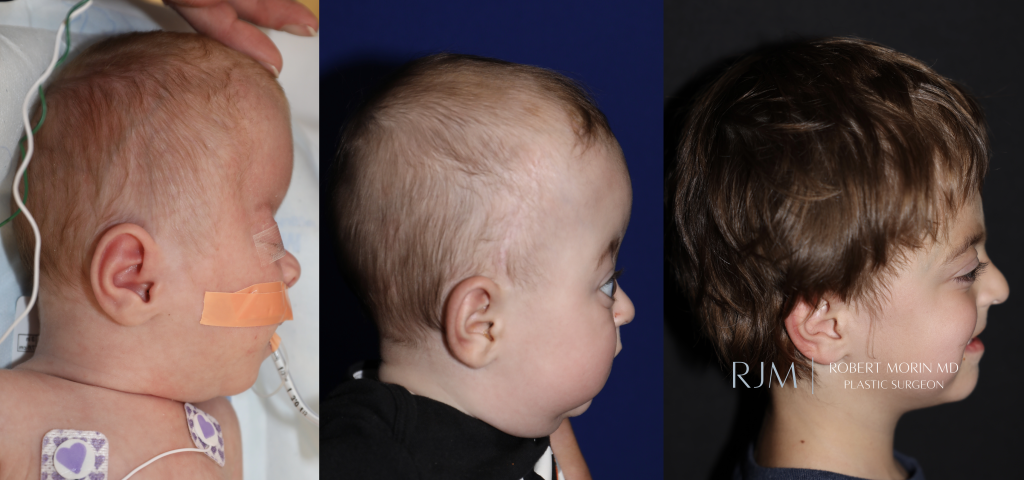
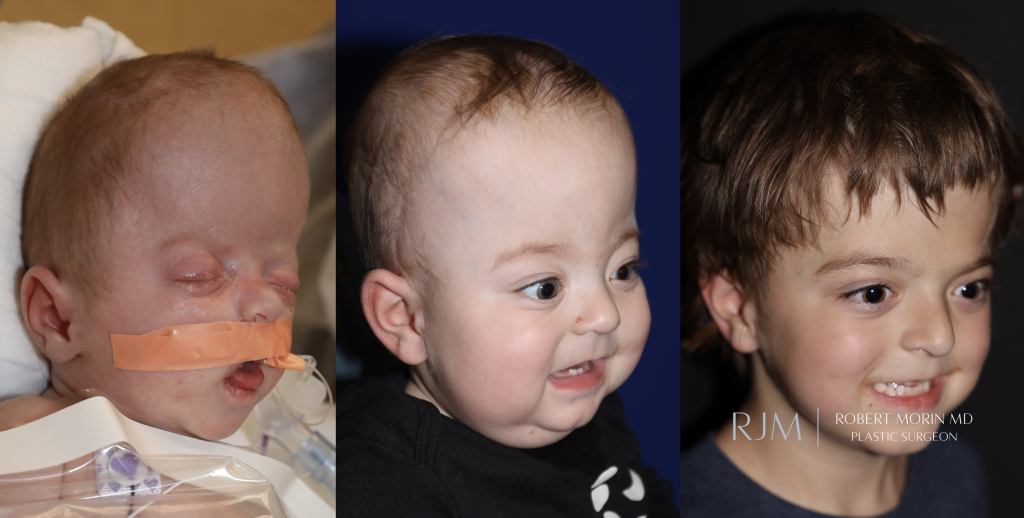
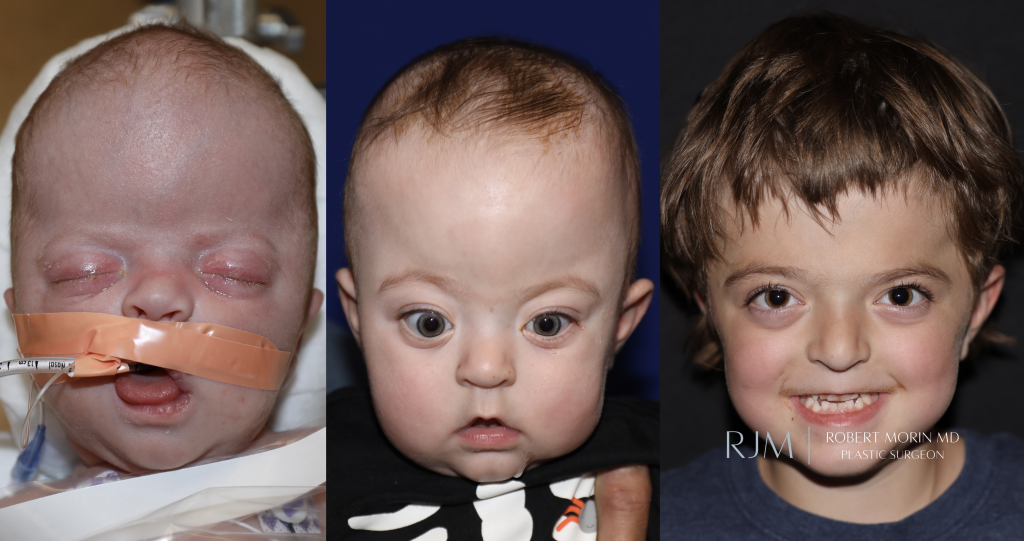
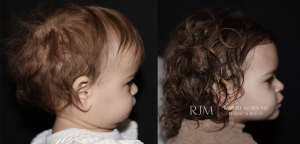
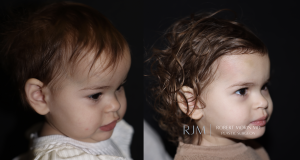
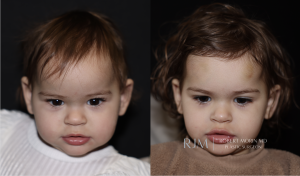
Patient 1
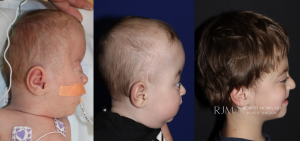
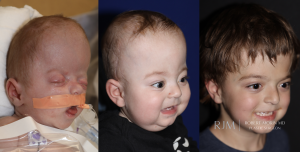
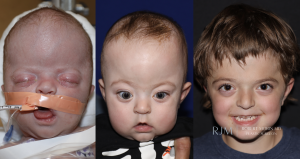
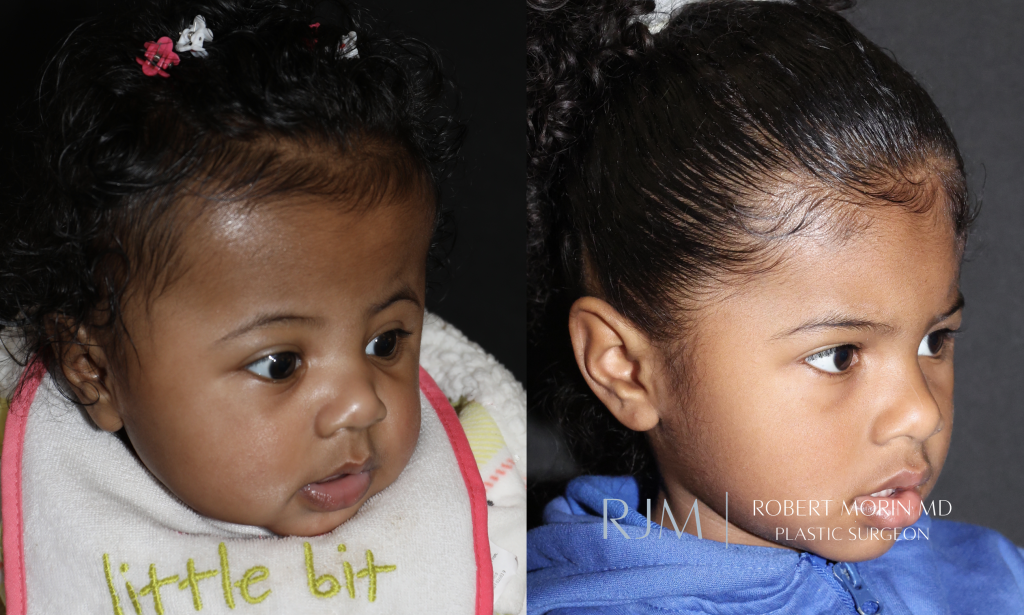
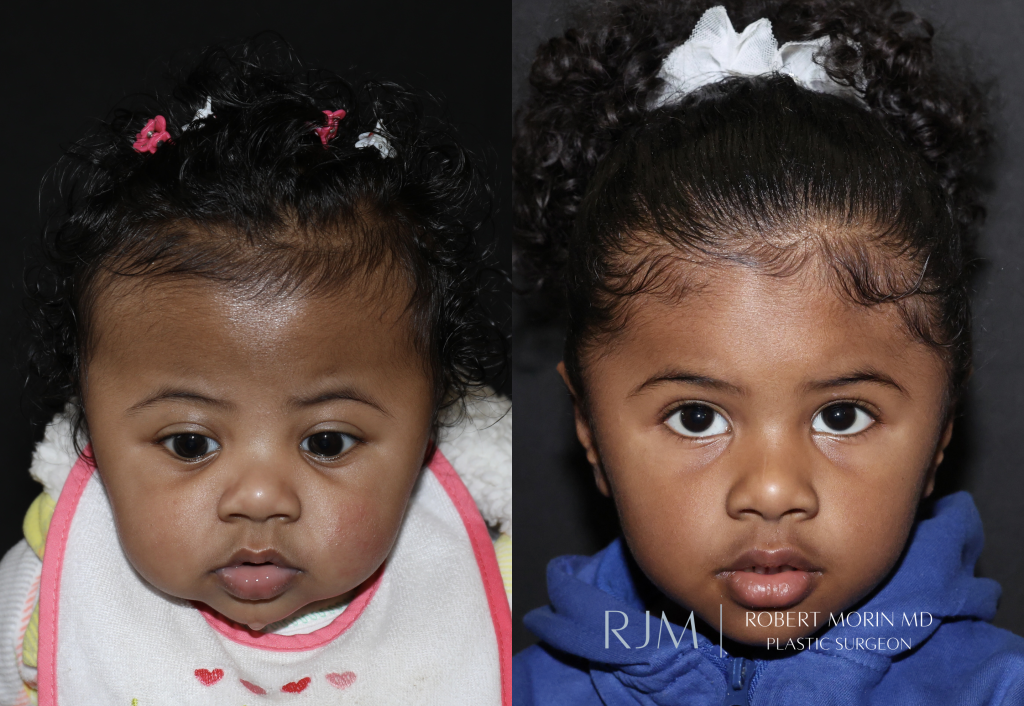
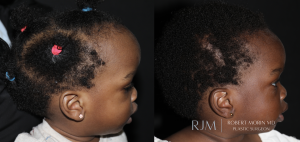
Patient's Story: This patient was born with bilateral coronal craniosynostosis. Endoscopic craniectomy was performed when the child was only a few weeks old due to concerns related to increased intracranial pressure and compression of the brain. Open cranial vault remodeling with fronto-orbital advancement was subsequently performed in order to improve the shape and contour of the patient's anterior cranial vault and upper face. The result is a normal appearing, happy and intelligent child.
Patient 2
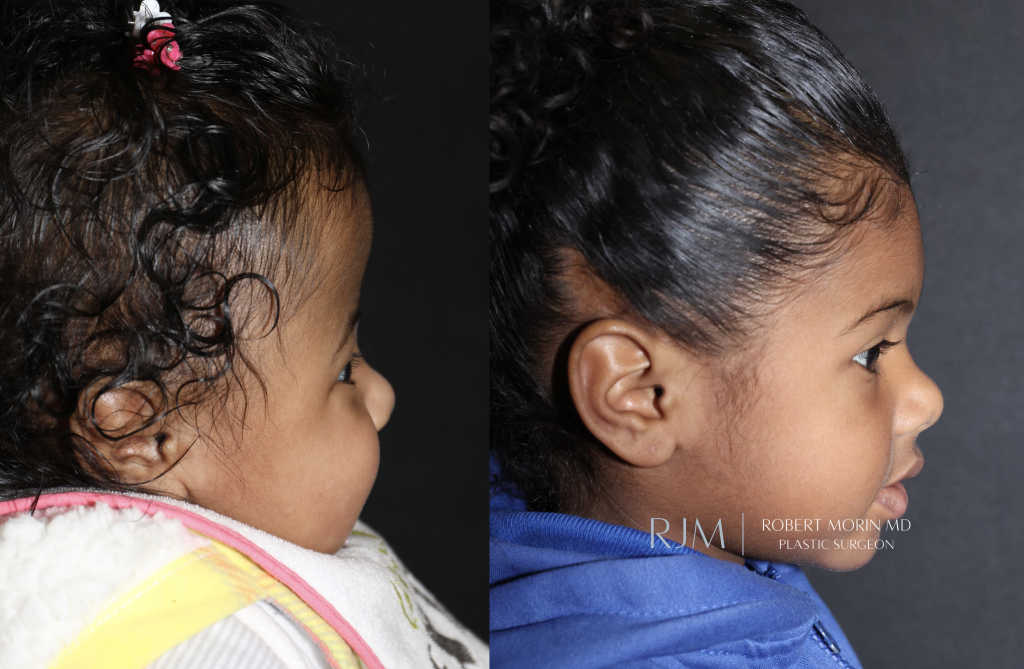
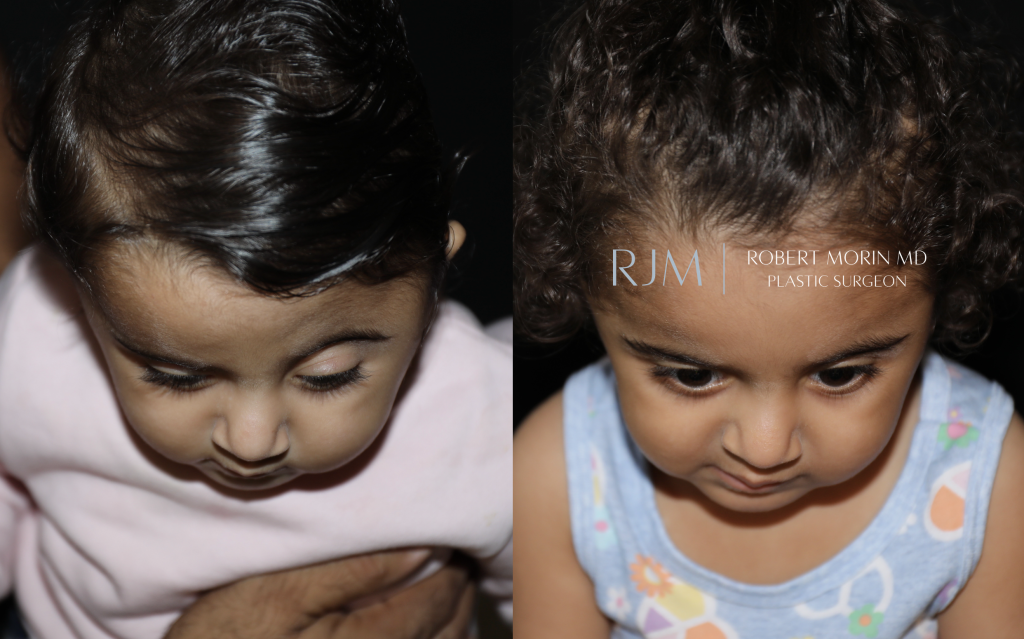
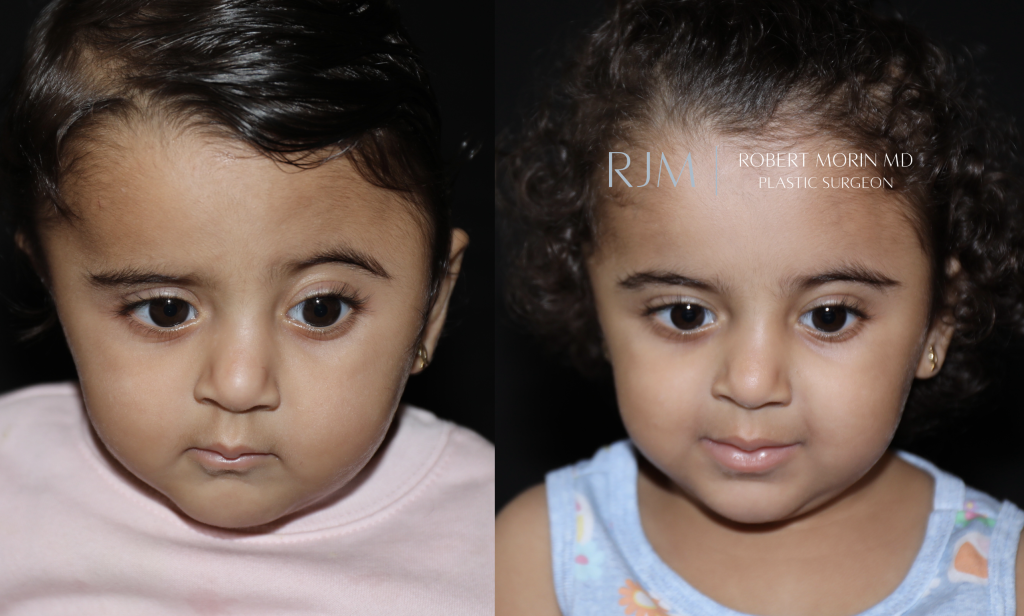
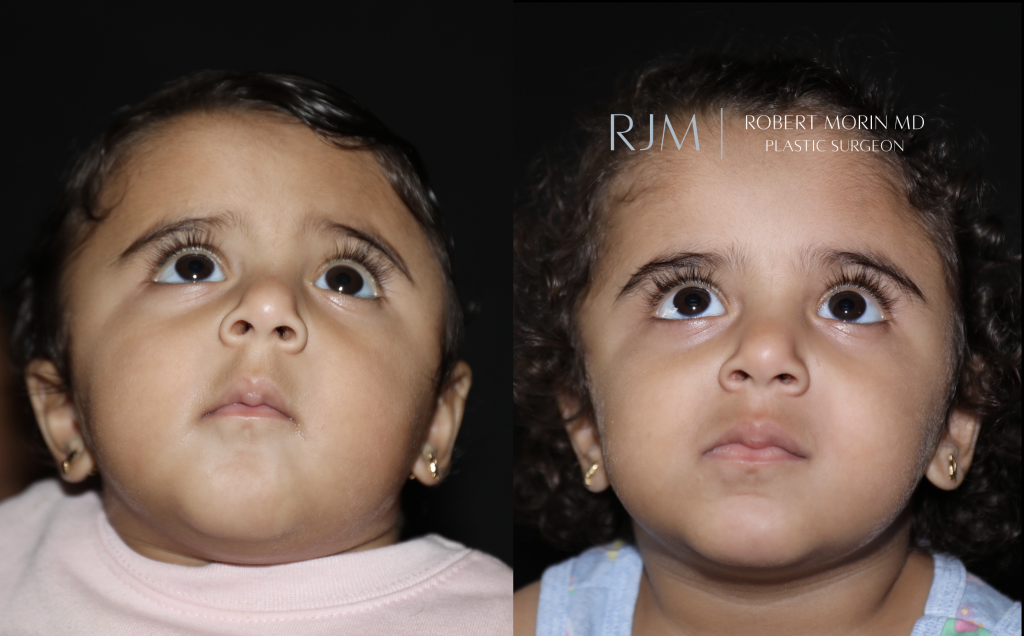
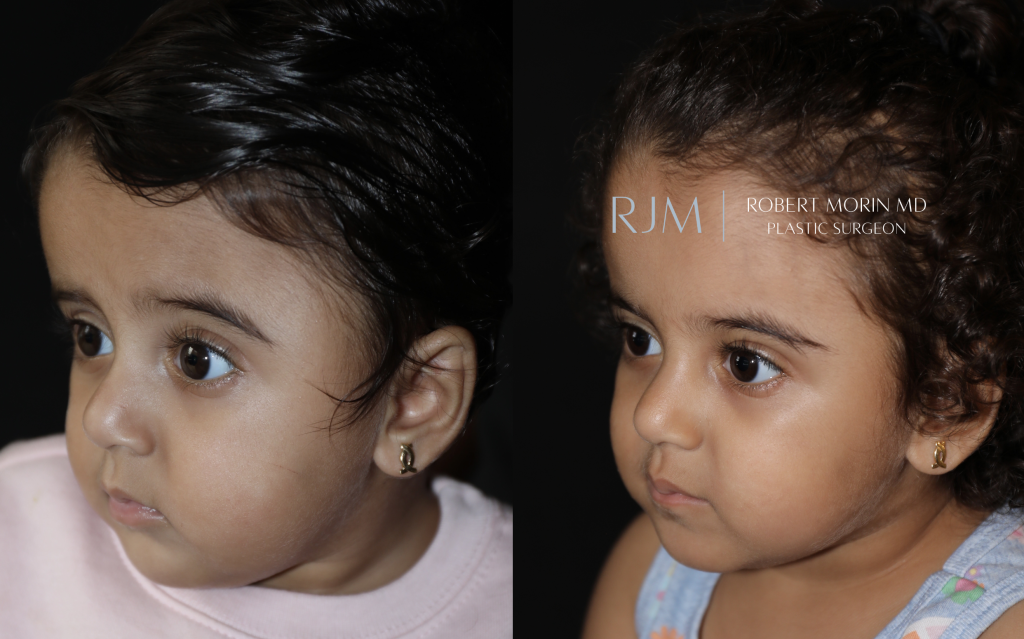
Patient's Story: Open cranial vault remodeling was performed on this 6-month-old child who was diagnosed with bilateral coronal craniosynostosis. The baby had severe retrusion of her forehead and superior orbital rims. Through a coronal incision, a fronto-orbital advancement was performed, in addition to multiple cranioplasties, in order to reconstruct the child's face and skull. The result is a smooth and properly contoured forehead, and properly positioned and symmetric orbits. Most importantly, the child's brain now has the space it needs to develop normally and grow.

Patient 3
Patient's Story: Open cranial vault remodeling was performed on this 1-year-old child who was diagnosed with left coronal craniosynostosis. The baby had severe retrusion of the left forehead and superior orbital rim. Through a coronal incision, a fronto-orbital advancement was performed, in addition to multiple cranioplasties, in order to reconstruct the child's face and skull. The result is a smooth and properly contoured forehead, and properly positioned and symmetric orbits. Most importantly, the child's brain now has the space it needs to develop normally and grow.
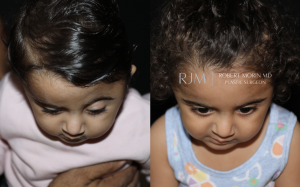
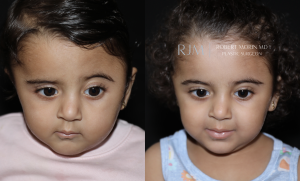
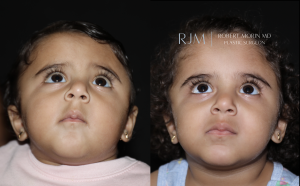
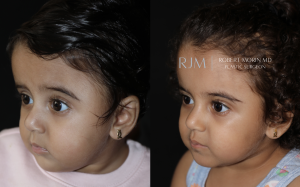
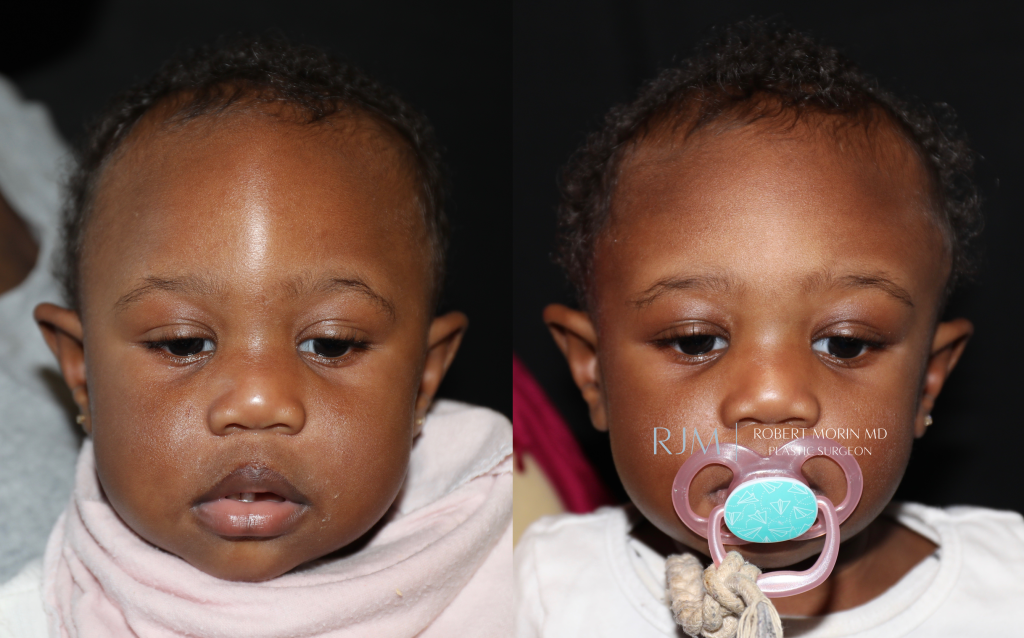
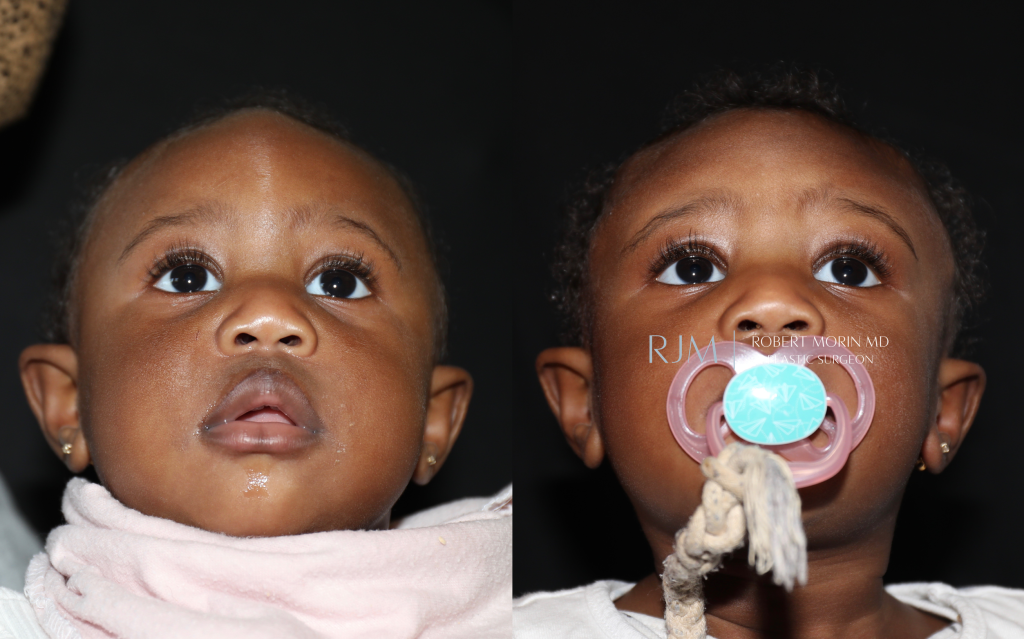
Patient 4
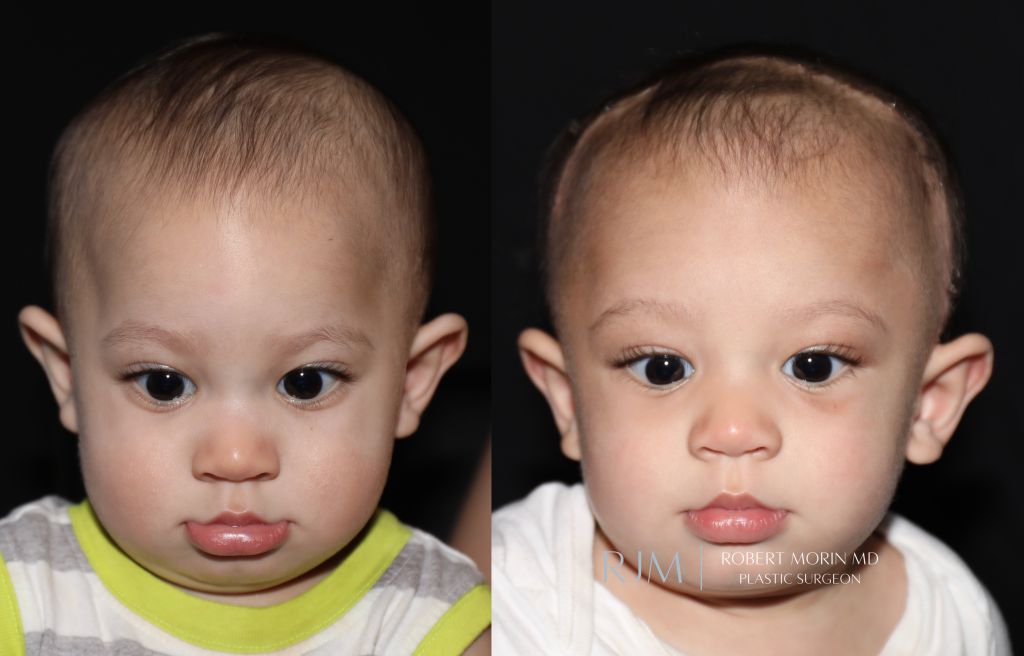
Patient's Story: Open cranial vault remodeling was performed on this 1-year-old child who was diagnosed with metopic craniosynostosis. The baby had all of the features of trigonocephaly including a prominent metopic ridge, bitemporal narrowing, and close set eyes. Through a coronal incision, a fronto-orbital advancement was performed, in addition to multiple cranioplasties, in order to reconstruct the child's face and skull. The result is a smooth and properly contoured forehead, and properly positioned and symmetric eyes. Most importantly, the child's brain now has the space it needs to develop normally and grow.
Patient 5
Patient's Story: Open cranial vault remodeling was performed on this 1-year-old child who was diagnosed with metopic craniosynostosis. The baby had all of the features of trigonocephaly including a prominent metopic ridge, bitemporal narrowing, and close set eyes. Through a coronal incision, a fronto-orbital advancement was performed, in addition to multiple cranioplasties, in order to reconstruct the child's face and skull. The result is a smooth and properly contoured forehead, and properly positioned and symmetric eyes. Most importantly, the child's brain now has the space it needs to develop normally and grow.

Patient 6
Patient's Story: Open cranial vault remodeling was performed on this 9 month old baby boy with sagittal craniosynostosis. The length of the child's skull was reduced and the width was increased in order to create a normal skull with the appropriate amount of room for the brain to grow.
Patient 7
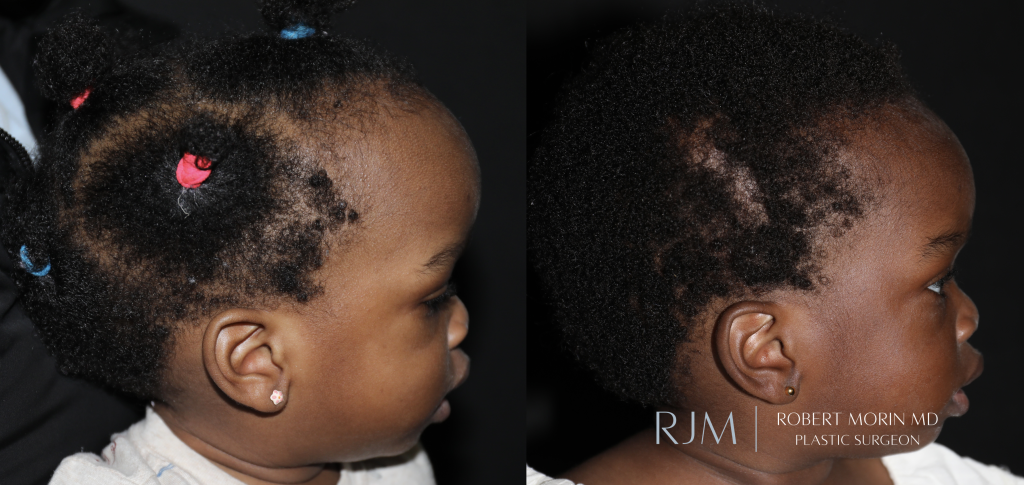
Patient's Story: Open cranial vault remodeling was performed on this 9 month old baby girl with sagittal craniosynostosis. The length of the child's skull was reduced and the width was increased in order to create a normal skull with the appropriate amount of room for the brain to grow.
Patient 8
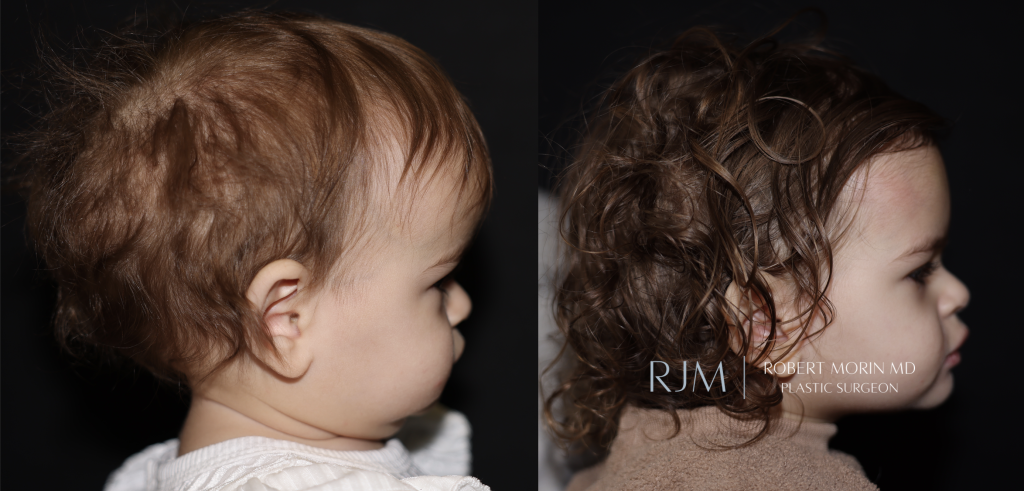
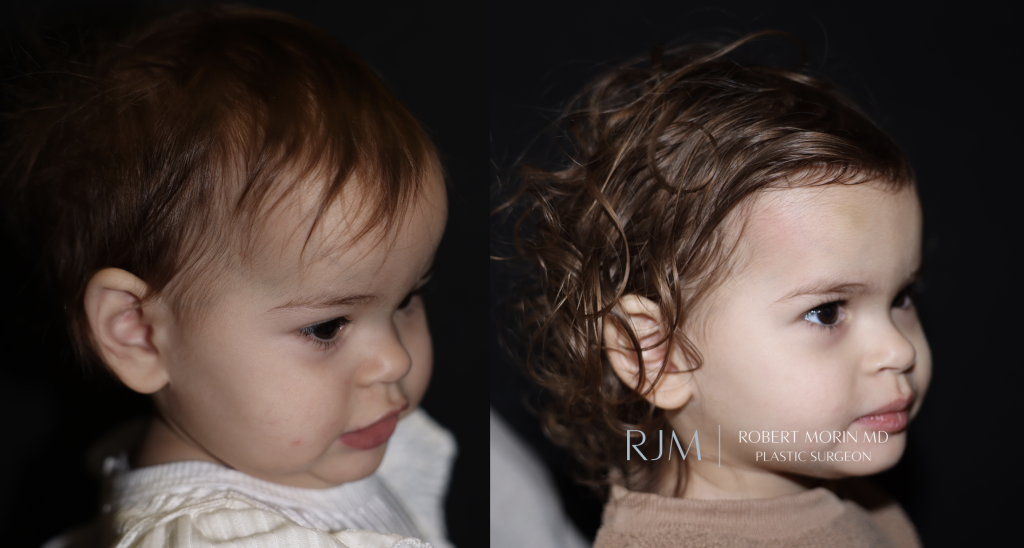
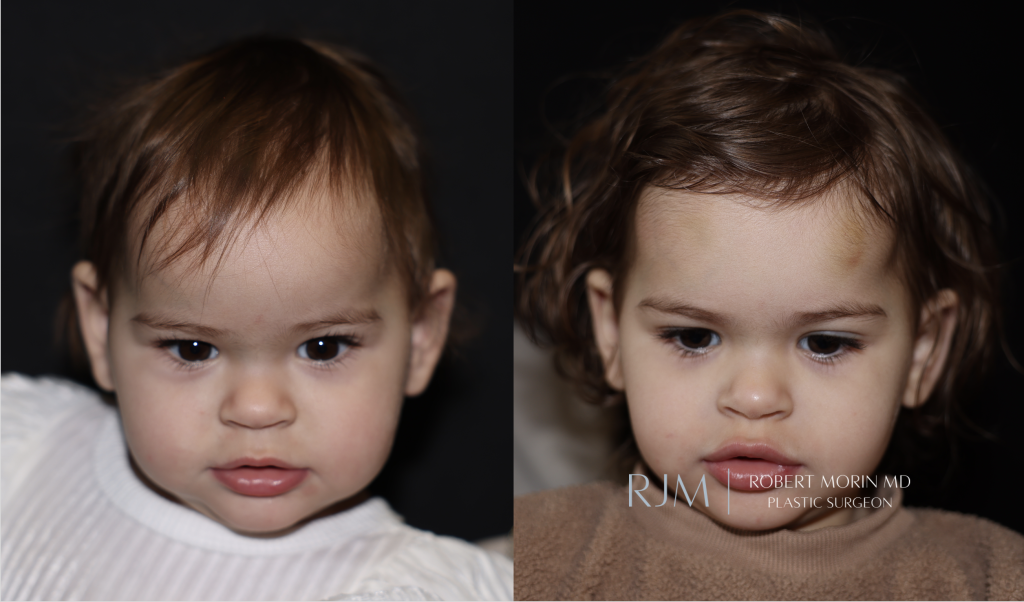
Patient's Story: Open cranial vault remodeling was performed on this 11 month old baby girl with sagittal craniosynostosis. The length of the child's skull was reduced and the width was increased using bone grafts in order to create a normal skull shape with the appropriate amount of room for the brain to grow.
Ready to start looking your best? We offer virtual and in-office consultations.
